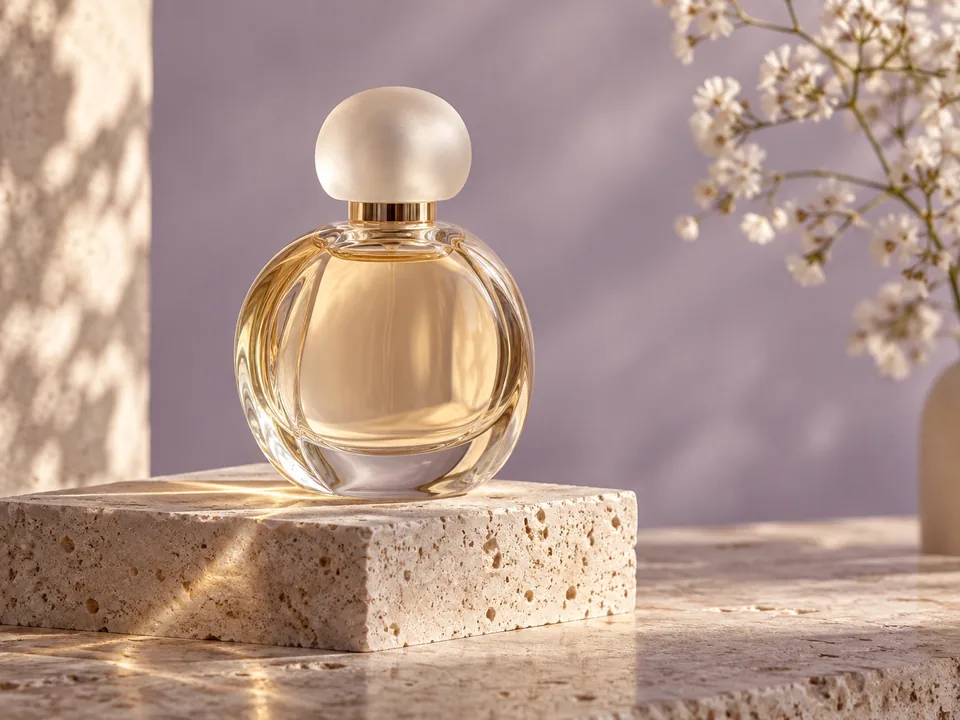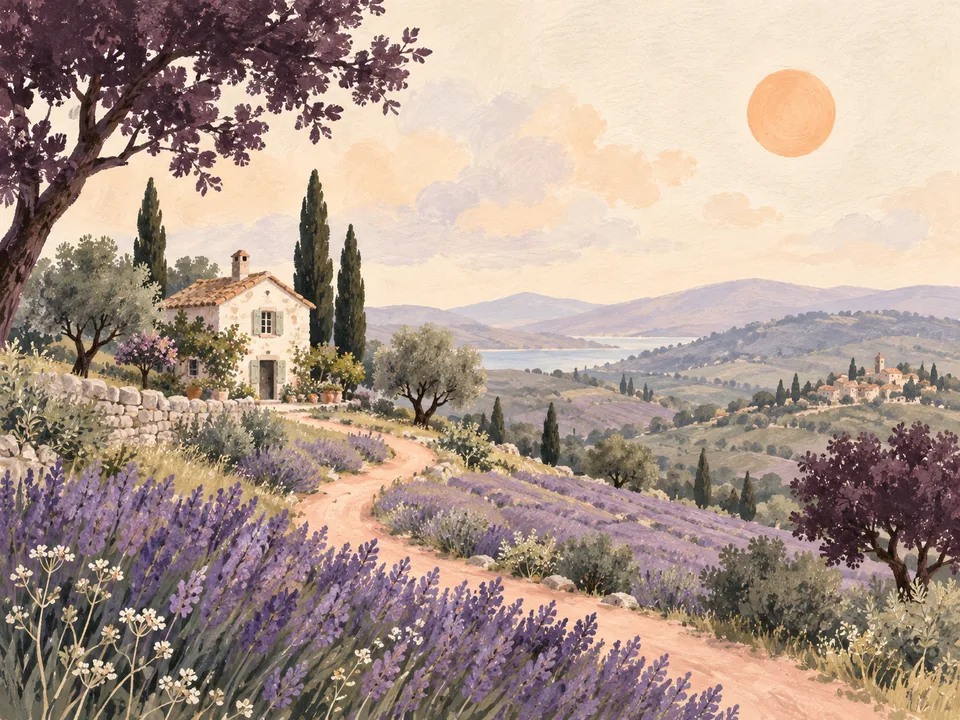
“I want something warm, but not ordinary.” That is enough to begin. Sparkles Editor helps you turn a feeling into a series of creative decisions. You choose the direction; the assistant asks useful questions, organizes the brief and creates when the goal is clear.
1. Start with where the image will be used
Open the creative assistant and describe the purpose. A product image, a cafe announcement and a birthday invitation need different compositions. The intended use is more useful than a long list of style words.
Try this opening:
I need a spring campaign image for a new cafe, to share on social media. It should feel relaxed and lived-in. I have not decided on the scene. Help me explore first; do not generate an image yet.
Saying “explore first” gives the conversation room to develop. If you already have a complete brief, you can ask for an image directly.
2. Make one important decision at a time
Ask the assistant to focus on the question that will most affect the result. Is the product the hero, or is the image about an atmosphere? Who should feel drawn to it? When options appear, choose one or write your own answer.
A cafe image might take one of these directions:
- A quiet cup beside a morning window, suitable for everyday content.
- A drink with a small spring arrangement, giving the campaign a clearer seasonal cue.
- Two people sharing coffee, adding a sense of companionship and a more complex scene.
An option is a starting point. “The second idea, but with fewer flowers and a more natural tabletop” is a useful answer.
3. Turn your preferences into a small visual brief
After a few exchanges, ask the assistant to summarize the decisions. A practical brief could look like this:
| Element | Cafe example |
|---|---|
| Purpose | A spring social media campaign |
| Subject | One latte in a simple cup |
| Setting | Pale wood beside a window |
| Color | Cream, light brown and a little green |
| Composition | Cup to the left, room for a heading above |
| Avoid | Busy props and extra brand marks |
Each field can be short. Ask what important decision is still missing instead of trying to write everything at once. Boundaries are useful: saying what should be left out can save another generation.
4. Choose a format and explain your references
Say whether you need a landscape, portrait or square image. You can specify a ratio such as 3:2 in the brief or choose a supported size in image settings. Automatic sizing uses the description and proposal; the final available dimensions still depend on the model.
If the cup, product or color palette needs a real reference, attach an image you are allowed to use. Explain whether it should guide the subject, lighting or layout. The [reference image guide](/en/blog/reference-images-guide) walks through that distinction.
5. Ask the assistant to create when you are ready
Once the direction feels right, make the request explicit:
Use the pale wooden table and natural window light, keep clear space above, and use a 3:2 landscape composition. Generate one image now.
A clear generation request can run directly. If an important detail is ambiguous, the assistant can ask another question or present a proposal. The result appears in the conversation. Chat and image calls use Credits according to the selected model; another generation is another call.
Review the subject and composition first, then atmosphere and small details. A focused change is easier to evaluate than ten conflicting instructions.
6. Refine the same result and save it
For example: “Use the previous image as the reference, keep the cup and camera angle, and simplify only the background.” Earlier images in the conversation can inform the next turn. When several look similar, identify the one you mean or ask the assistant to check with you. Reference-based generation can still change details, so review labels, text and important shapes.
Artwork is private by default. Temporary images are kept for seven days. Download a result you want to keep, or choose permanent storage within your available allowance. A sharing link you deliberately create is viewable by anyone who has it.
You do not need the first result to be the final one. One well-chosen decision per turn makes the creative direction easier to understand.
A starter message is filled in for you to edit and send. Chat is billed by usage; clear image requests generate directly and use Credits.